


Video analytics (also known as Video Content Analysis or VCA) is an advanced technology that uses artificial intelligence (AI) and machine learning (ML) algorithms to automatically analyze video footage from surveillance cameras or other video sources. It extracts meaningful information and insights from the visual data, allowing systems to understand events, patterns, and behaviors without constant human monitoring.

Improved Efficiency: Automates the monitoring process, reducing the need for constant human oversight and freeing up personnel for higher-level tasks.
Enhanced Decision Making: Provides objective, data-backed insights from video footage that inform strategic decisions across different operations.
Faster Response Times: Real-time alerts enable immediate action to prevent incidents from escalating
Cost Savings: Helps reduce labor costs for manual monitoring and minimizes financial losses from incidents like theft or equipment downtime.
"LLM in a Box" generally refers to an off-the-shelf, on-premises solution for deploying and using large language models (LLMs) securely within a private infrastructure. It is a physical server or integrated software package designed to run AI capabilities locally, without sending sensitive data to third-party cloud services. The primary purpose of an LLM in a Box solution is to offer the power of advanced AI while ensuring data privacy, control, and compliance with regulatory requirements
On-Premises Deployment: The models run on local hardware within an organization's existing infrastructure, such as data centers or even a compact mini-PC, depending on the vendor's solution.
Data Security and Privacy: By processing all data locally (sometimes even in air-gapped environments with no internet connectivity), organizations retain full control and ownership, mitigating risks associated with sharing sensitive information via public cloud APIs.
Plug-and-Play Functionality: These solutions are often designed to be easy to set up and integrate into existing technology stacks, offering a "plug-and-use" experience that requires minimal infrastructure adjustments.
Cost Efficiency: For ongoing, long-term use cases, a one-time purchase investment of a local solution can be more cost-effective than continuous subscription or usage fees associated with cloud-based LLM services.
Performance and Customization: These systems often include high-performance hardware, such as NVIDIA GPUs, to handle intensive AI tasks. They can be fine-tuned on an organization's specific internal documents and data for domain-specific applications.
Variety of Applications: The concept supports various business uses, including internal search, document summarization, custom chatbots, and workflow automation, particularly in highly regulated sectors like finance, healthcare, and law.

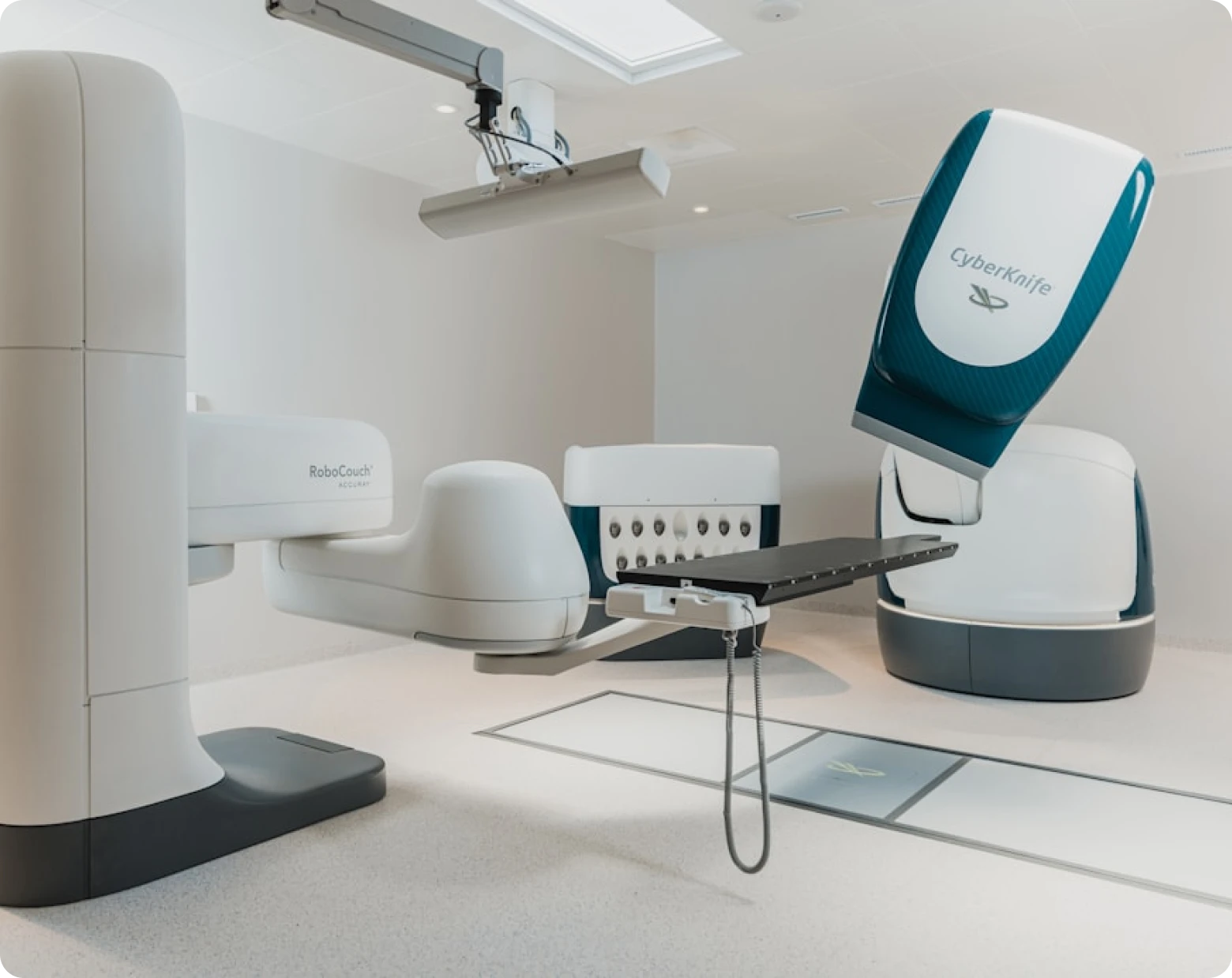
AI robotics merges Artificial Intelligence with robotics, creating intelligent machines that perceive, learn, reason, and act autonomously, moving beyond simple programmed tasks to adapt to complex environments, with applications from manufacturing and healthcare to logistics, driving a new era of smart automation and human-robot collaboration. These systems use AI for tasks like computer vision, natural language processing, and machine learning, allowing robots to understand commands, interpret sensory data, and make real-time decisions, making them more versatile and capable than traditional robots.
Autonomy & Navigation: AI enables robots to navigate complex spaces and perform tasks independently without constant human input.
Perception: Through AI, robots interpret visual (cameras), auditory (microphones), and other sensory data to understand their surroundings, a process called computer vision and speech recognition.
Learning & Adaptation: Machine learning allows robots to learn from experience, improving their performance and adapting to new situations or objects, like recognizing different types of recyclable materials.
Decision-Making: AI provides the "brain" for reasoning and making informed decisions, moving beyond simple rule-following to more complex problem-solving.
Human-Robot Interaction (HRI): Natural Language Processing (NLP) lets robots understand and respond to human speech, making collaboration more intuitive.

Schedule a no-obligation consultation to discuss your unique needs and how MetaOne can elevate your business technology.
Schedule Now


MetaOne is a leading IT solutions company that provides innovative technology services to businesses of all sizes.
© 2025 MetaOne Solution. All rights reserved.